Local field note
North Etiwanda Preserve at the alluvial foothills
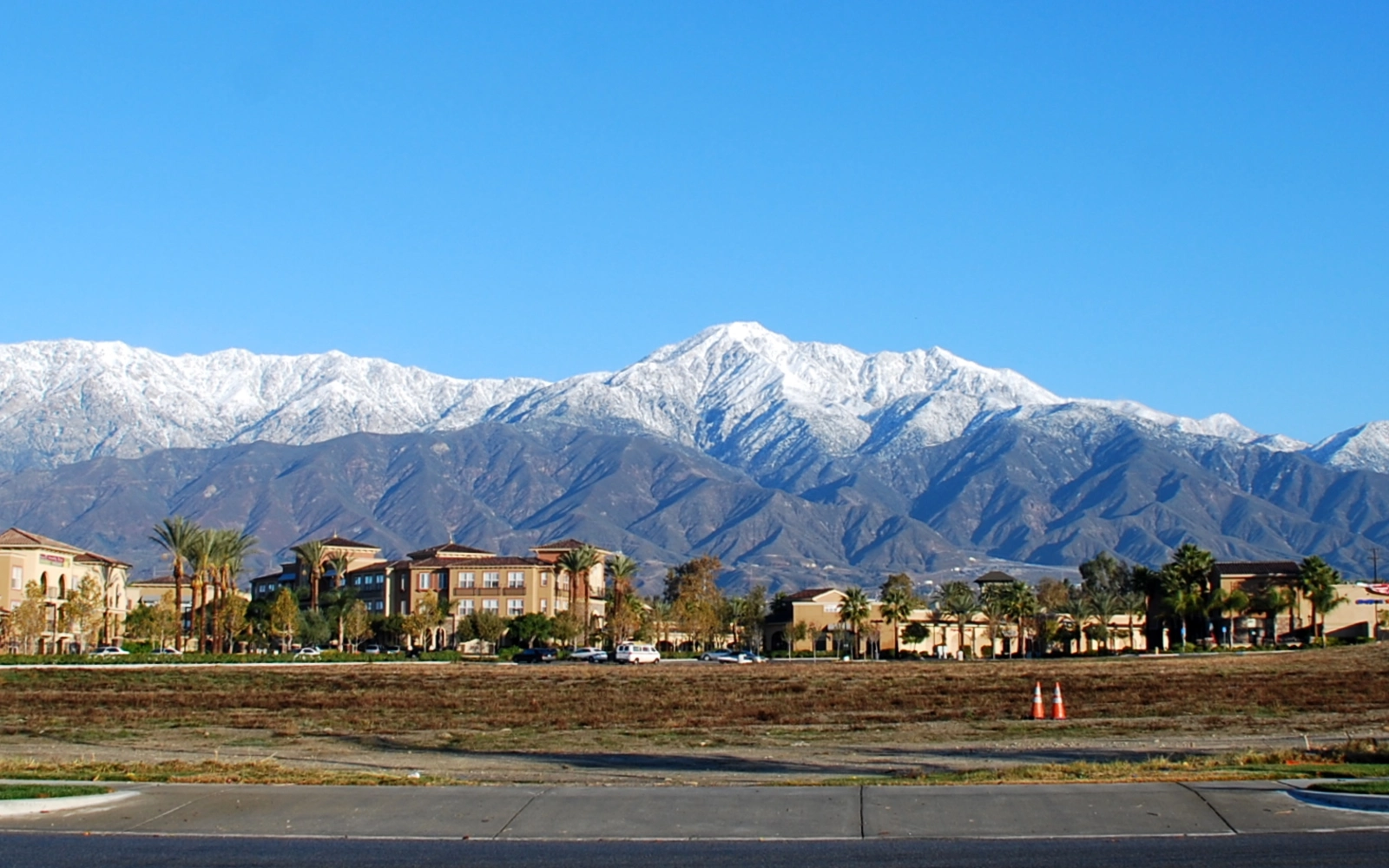
San Bernardino County established the preserve as habitat mitigation for freeway construction. The foothill preserve record matters as present-day context, not as nostalgia alone. The boundary between conserved land and neighborhoods makes address-specific descriptions more useful than general impressions. That protected landscape helps residents separate an observable foothill preserve fact from the household, vehicle, building, or responsibility facts an insurer must evaluate. No foothill preserve landmark sets coverage, and no street address substitutes for complete answers on an insurance application.
County stewardship has expanded protection beyond the preserve's initial acreage. This foothill preserve history explains why older and newer land uses can occupy adjoining parts of the city. This foothill example should prompt an accurate description of the actual risk rather than a broad foothill preserve assumption. Within the foothill preserve setting, construction, occupancy, maintenance, belongings, drivers, and requested limits remain governed by insurer rules and the offered policy language.
For a specific home, the productive questions concern construction, roof and systems, occupancy, nearby vegetation, access, mitigation work, inventories, limits, deductibles, and available endorsements.
The county identifies the preserve as habitat protection and asks visitors to follow its posted rules. Change around the foothill preserve can affect traffic, building use, recreation, and household routines, but the preserve setting does not predict a foothill preserve-related claim. The useful foothill preserve insurance step is to read how the relevant foothill preserve contract defines property, covered causes, liability, deductibles, exclusions, and post-loss duties apart from that local setting.
A scenic mountain view does not establish wildfire, flood, or earthquake risk at a particular address. For a fire discussion informed by the foothills, residents can bring current declarations, property inventories, renovation records, mitigation details, and questions about deductibles or limits. The preserve history provides foothill context for the conversation; it is neither an underwriting rule nor a substitute for inspection.
Readers compare written terms instead of relying on a foothill preserve label. Because construction, defensible space, access, and inspection are separate considerations, a household may need to distinguish foothill preserve upkeep from sudden loss, site-preparation facts from liability exposure, and core property terms from optional protections. The preserve history is useful only when it produces precise foothill preserve questions that an agent or insurer can answer from the form actually offered.
Residents should compare named perils, exclusions, deductibles, limits, and available endorsements. The foothill preserve feature never guarantees foothill preserve insurance availability, eligibility, price, deductibles, foothill preserve limits, or a claim outcome. Issued declarations, exclusions, conditions, and endorsements control regardless of the foothill preserve setting. Readers can verify the city facts through San Bernardino County preserve history and use current California insurance guidance for the separate contract questions.
Source: San Bernardino County preserve history. Insurance background: California Department of Insurance consumer guide.